
You are standing in downtown Philadelphia, Pennsylvania. Now picture 16 other towns and cities across four continents. Every one of them carries that exact same name.
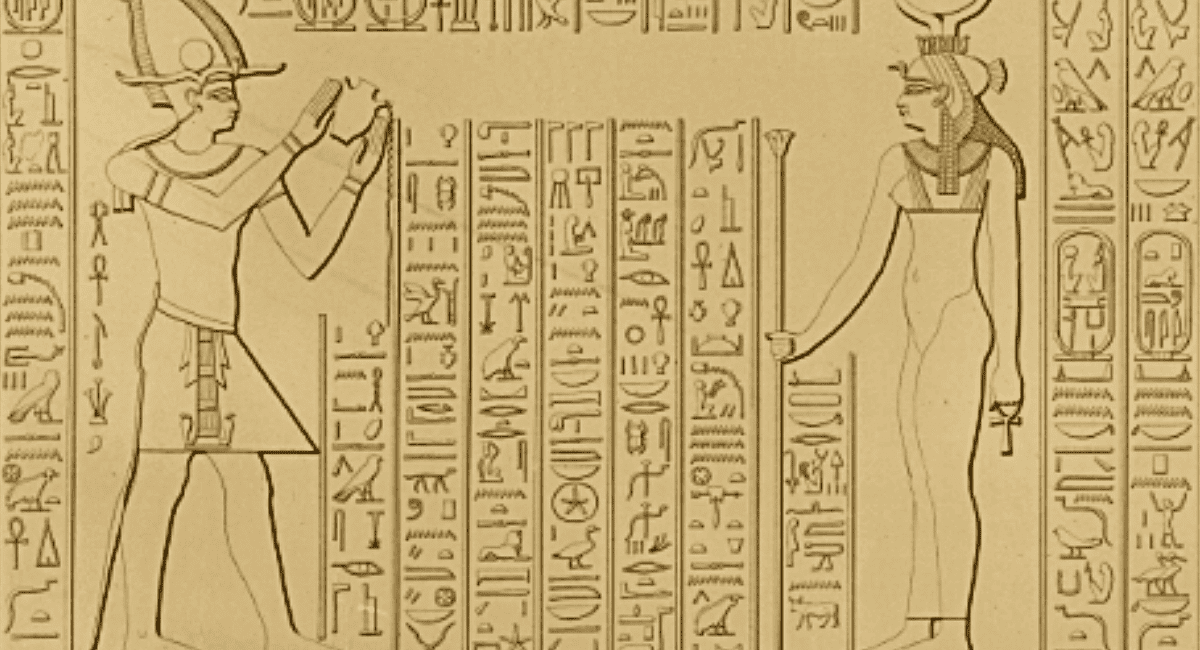
The name comes from Greek words for “brother” and “love.” Ptolemy II ruled Egypt in the 3rd century B.C. People called him “Philadelphos” for his devotion to his sister. He stamped that nickname onto cities across his world. The name kept spreading for over two thousand years after him.
No single source agrees on the exact number of cities named Philadelphia. Mapping databases put the figure anywhere from 15 to 24. The count depends on whether you include tiny hamlets and lost settlements. This list covers 17 of the most historically significant ones. It runs from a vanished Greek trading post to the cracked bell in Pennsylvania.
Each city built its own story around a shared name. Some trace back to ancient kings. Others started as coal pits, mission churches, or Mennonite farms. Let’s walk through all 17.
How many cities are named Philadelphia?
At least 17 historically documented cities and towns carry the name Philadelphia worldwide. Some databases count as many as 24 once you add small hamlets and neighborhoods. The name spread from Greek-ruled Egypt and Jordan to colonial America, then on to Africa, Australia, and the Caribbean.
Most Philadelphias fall into two waves. Greek rulers started the first wave. They named cities after Ptolemy II Philadelphus starting in the 3rd century B.C. Colonists, missionaries, and settlers started the second wave centuries later. Many of them liked the Bible’s link between the name and brotherly love in the Book of Revelation.
The cities named Philadelphia
This list moves in roughly the order each Philadelphia entered the historical record. It starts with three ancient cities that predate the American Revolution by nearly 2,000 years.
1. Philadelphia (Amman), Jordan
The oldest Philadelphia on record sits under the modern skyline of Amman, Jordan’s capital. Ammonite kings ruled the city for centuries and called it Rabbath-Ammon. Around 255 B.C., Ptolemy II Philadelphus took the city and renamed it after himself.
Local people kept calling it Rabbath-Ammon anyway. The Philadelphia name stuck through Roman rule. The city joined the Decapolis league and built a 6,000-seat theater that still stands today. Arab conquerors restored the older name Amman in the 600s. It has carried that name ever since.
Historical Setting
Ptolemy II never conquered Rabbath-Ammon through war. He absorbed it during a period of Greek expansion into the region. Then he renamed it to honor his own nickname, “Philadelphos,” a title he shared with his sister-wife, Arsinoe II.
Flag for review: primary source dating on the exact year of the renaming varies between 285 and 255 B.C. across sources — worth a closer look given John’s research background in Hellenistic history.
2. Philadelphia (Faiyum), Egypt
A second, separate Philadelphia once stood on the edge of Egypt’s Faiyum Oasis. Ptolemy II founded this one too. He named it for his sister Arsinoe II instead of himself. It grew into a working farm town, not a capital city.
The town vanished from maps for centuries. Then in 1914, laborers digging for fertilizer near the site found over 2,000 papyrus documents. The papers belonged to a Greek official named Zenon. Historians call this find the Zenon Archive. It remains one of the richest records we have of daily life in ancient Egypt.
Papyrus archive: A collection of ancient documents written on papyrus, a paper-like material made from a Nile River plant. Archives like Zenon’s preserve contracts, letters, and receipts that reveal how ordinary people actually lived.
3. Philadelphia (Alaşehir), Turkey
This Philadelphia has the strongest religious history of all 17. A Greek king named Eumenes II founded it around 189 B.C. He named it for his brother, Attalus II, who later became ruler after him.
Centuries later, the city became one of the seven churches named in the Book of Revelation. Most of the other six received warnings or criticism in the text. Philadelphia received only praise for staying faithful through hardship. Earthquakes battered the city for two decades starting in 17 A.D. Still, it survived into the Byzantine era. Today the site lies beneath the Turkish city of Alaşehir.
Flag for review: some sources credit Attalus II, not Eumenes II, as founder. Worth confirming against primary Hellenistic sources.
4. Philadelphia, Pennsylvania, USA
William Penn, an English Quaker, founded this Philadelphia in 1682. He named it directly for its meaning of brotherly love. Penn wanted a city built on religious tolerance. The trade hub that grew from his plan became the beating heart of the American Revolution.
Independence Hall hosted the signing of the Declaration of Independence. Delegates also drafted the U.S. Constitution there. The cracked Liberty Bell still hangs a few blocks away. Benjamin Franklin spent much of his life here, building the city into a center of science and civic life.
Learn more in our guide to Benjamin Franklin’s inventions and our roundup of facts about Benjamin Franklin.
5. Philadelphia, Tyne and Wear, UK
Northeast England’s Philadelphia has nothing to do with brotherly love. Coal miners built this town in the 19th century. It grew around the Newbottle Colliery’s “Philadelphia” pit. The name likely came from the pit itself, not from any religious meaning.
The town thrived through Britain’s coal boom. It declined along with the industry through the 20th century. Locomotive fans still visit the nearby Bowes Railway, a preserved rope-hauled colliery railway that once served the local pits.
Flag for review: locals debate the exact origin of the “Philadelphia” pit name. Worth verifying with a primary mining-history source.
6. Philadelphia, Tlaxcala, Mexico
Mennonite settlers built this small Philadelphia in Tlaxcala during the 20th century, bringing German farming traditions into central Mexico. The result is a cultural blend rarely seen elsewhere: German-Mexican architecture, food, and customs woven into one small town.
The settlers’ agricultural methods reshaped the local landscape, and their descendants still farm land around the town today.
Flag for review: exact founding date and settler origin need primary-source confirmation.
7. Philadelphia, Jamaica
Jamaica’s Philadelphia sits in the parish of Saint Catherine, far from any grand political history. Sugar plantations covered the surrounding land for generations. That industry shaped the town’s fortunes and much of the Caribbean’s history.
As the sugar economy declined, Philadelphia settled into the quiet, rural character it holds today.
8. Philadelphia, Western Cape, South Africa
This Philadelphia grew out of a Dutch Reformed Church parish established around 1861, on land once known as Koeberg. Local farmers had traveled long distances by horse and cart for church services. A landowner later donated ground for a permanent congregation.
The town’s name comes directly from the Bible’s Book of Revelation, chapter 3. Wheat and cattle farms still surround the village today, about 33 kilometers from Cape Town.
9. Philadelphia, Tennessee, USA
Loudon County’s Philadelphia grew up around railroad and farming traditions in the early 1800s. The town watched the Civil War pass through the region and later adapted as railroads gave way to modern industry.
Preserved historic sites and community festivals now anchor the town’s identity.
Flag for review: founding date sourced from the prior draft — needs primary confirmation.
10. Philadelphia, Indiana, USA
Hancock County’s Philadelphia grew as a farming community in the 19th century, feeding off the region’s fertile Midwest soil. The town weathered the same pioneer struggles and industrial shifts as its neighbors.
Historic buildings and community festivals preserve its small-town character today.
11. Philadelphia, Missouri, USA
Marion County’s Philadelphia formed in the mid-1800s around the same fertile farming land that shaped much of the Midwest. Community gatherings and preserved landmarks still honor that agricultural past.
12. Philadelphia, Mississippi, USA
Neshoba County’s Philadelphia carries the heaviest history on this list. Timber and rail industries built the town in the early 1900s. Its name later entered the national conversation for a darker reason.
In June 1964, Ku Klux Klan members murdered three civil rights workers near the town. The victims were James Chaney, Andrew Goodman, and Michael Schwerner. They died during the Freedom Summer voter registration campaign. The killings became a turning point in the fight for the Civil Rights Act and the Voting Rights Act. The town still reckons publicly with that history today.
13. Philadelphia, New York, USA
Jefferson County’s Philadelphia formed in the early 1800s near key regional waterways. Its location close to the Canadian border made it strategically important during the War of 1812.
Historic buildings and annual festivals now mark the town’s 19th century roots.
14. Philadelphia, Liberia
Liberia’s Philadelphia carries deep symbolic weight. Founders built the nation itself in the early 1800s to resettle freed African Americans. Many of its towns took names that reflect that transatlantic story.
Philadelphia in Liberia blends indigenous West African traditions with the culture the freed settlers brought. It stands as a genuine meeting point between two continents’ histories.
15. Philadelphia, County Limerick, Ireland
This small Philadelphia sits within County Limerick, a region shaped by ancient Gaelic traditions and Norman invasions centuries earlier. Agriculture and local crafts have long defined its economy.
Gaelic games and folklore traditions remain part of community life in the area today.
Flag for review: establishment date is not firmly documented in available sources.
16. Philadelphia, Queensland, Australia
Queensland became a separate British colony in 1859. This Philadelphia formed sometime after, within that mining, farming, and trade economy. Indigenous Australian traditions and European settler customs both shaped the surrounding region.
Flag for review: a precise founding date for this specific locality could not be confirmed and needs primary-source research.
17. Philadelphia, Namibia
Namibia’s Philadelphia sits in the Khomas region. It passed through German colonial rule, then came under South African administration. Namibia’s independence on March 21, 1990, opened a new chapter of self-governance for the whole country, including this town.
German colonial buildings still stand alongside indigenous cultural practices here. Together they form a visible record of the layered history that shaped modern Namibia.
Cities named Philadelphia compared
These 17 Philadelphias span three continents and over 2,000 years of history. Sort the table below by era or region. Watch how the name traveled from ancient Egypt and Jordan to colonial America. Then it spread outward to Africa, the Caribbean, and Australia.
| Philadelphia (Amman), Jordan | c. 255 B.C. | Renamed from Rabbath-Ammon by Ptolemy II |
| Philadelphia (Faiyum), Egypt | 3rd century B.C. | Site of the Zenon papyrus archive |
| Philadelphia (Alaşehir), Turkey | c. 189 B.C. | One of the Seven Churches of Revelation |
| Philadelphia, Pennsylvania, USA | 1682 | Independence Hall and the Liberty Bell |
| Philadelphia, Tyne and Wear, UK | 19th century | Named for a coal mining pit |
| Philadelphia, Tlaxcala, Mexico | 20th century | Mennonite-German farming community |
| Philadelphia, Jamaica | Colonial era | Former sugar plantation region |
| Philadelphia, Western Cape, South Africa | c. 1861 | Grew from a Dutch Reformed parish |
| Philadelphia, Tennessee, USA | Early 1800s | Railroad and farming town |
| Philadelphia, Indiana, USA | 19th century | Hancock County farming hub |
| Philadelphia, Missouri, USA | Mid-1800s | Marion County farming community |
| Philadelphia, Mississippi, USA | Early 1900s | Site of the 1964 civil rights murders |
| Philadelphia, New York, USA | Early 1800s | War of 1812 border town |
| Philadelphia, Liberia | 19th century | Founded by freed African American settlers |
| Philadelphia, County Limerick, Ireland | Undocumented | Rural Gaelic farming community |
| Philadelphia, Queensland, Australia | After 1859 | Part of Queensland’s colonial economy |
| Philadelphia, Namibia | Colonial era | German colonial architecture in the Khomas region |
Why did the name Philadelphia spread so far?
The name spread in two waves. Ancient Greek rulers named cities after Ptolemy II Philadelphus first. Colonists, missionaries, and settlers borrowed the name later for its biblical meaning of brotherly love. Both waves valued the same idea: a name that signals unity rather than conquest.
Ancient kings rarely named cities after abstract virtues. Ptolemy II broke that pattern. The idea outlived his empire by two thousand years. Every later Philadelphia borrowed that same instinct, whether founded by a Quaker idealist or a Dutch Reformed congregation. Each one named the place for what its founders hoped it would become.
Indirectly, yes. William Penn chose the Greek meaning “brotherly love” on purpose. That same Greek phrase also names the biblical city in modern Turkey. The two share a root word, not a direct naming connection.
Philadelphia (Amman) in Jordan holds that title, renamed from Rabbath-Ammon around 255 B.C. It predates Philadelphia, Pennsylvania by nearly 2,000 years.
No. Local pronunciation shifts with language, from the Afrikaans-inflected version in South Africa to the Spanish-accented version in Mexico’s Tlaxcala state.
What these 17 cities have in common
Two thousand years separate the oldest Philadelphia from the newest one on this list. Yet every single one carries the same idea forward. Each name was chosen to mean something better than the place that came before it.
Some Philadelphias grew into capitals and revolutions. Others stayed small farming towns that most of the world will never visit. Which Philadelphia surprised you the most? Would you add another one we missed?
Explore more on Benjamin Franklin’s life and inventions. Or dig into our guide to the battles of the American Revolution. It covers the city that made this name famous in the United States.
Items mentioned in this article
- “Philadelphia: A 300-Year History” by Russell F. Weigley A collection of scholarly essays tracing Philadelphia, Pennsylvania from Penn’s 1682 founding to the 20th century. More than twenty historians each cover their own specialty. It remains the definitive one-volume history of the city.
- “Ptolemy II Philadelphus and His World” edited by Paul McKechnie and Philippe Guillaume An academic essay collection on Ptolemy II Philadelphus, the king whose nickname gave the world the name Philadelphia. Scholars cover his reign across Egypt, the Mediterranean, and the Holy Land. It ties together three ancient entries on this list.
- “Revelation” (Zondervan Illustrated Bible Background Commentary series) A verse-by-verse commentary on Revelation focused on historical and archaeological context. Author Mark W. Wilson specializes in the biblical sites of Asia Minor. It covers the Seven Churches passage behind the Turkey entry.
References
- Encyclopaedia Britannica — Amman, Jordan
- Biblical Archaeology Society — Philadelphia of the Decapolis
- Wikipedia — Philadelphia (Faiyum), Egypt
- Wikipedia — Seven Churches of Asia
- US History.org — William Penn biography
- South African History Online — Philadelphia, Western Cape
- Wikipedia — Philadelphia, South Africa